Why skin hydration is more than cosmetic
Hydrated skin does look smoother and brighter, but the bigger story is function. Your skin barrier is your first line of defense against friction, irritants, microbes, and excessive water loss. When that barrier is depleted, the result is not only dullness. You can also get tightness, itch, burning, flaking, and sensitivity to products that usually feel fine. The American Academy of Dermatology notes that dry skin can worsen with age, low humidity, and over-cleansing, and often improves with routine habit changes that reduce barrier stress rather than “stronger” products alone.
Think of hydration as a system with two parts: water inside the skin and lipids that keep that water from escaping too quickly. If either side is weak, skin feels rough and reactive. This is one reason people can drink more water but still feel dry in winter, or use expensive serums but keep stripping the barrier with long hot showers. Hydration is not a single ingredient decision. It is a daily pattern decision.
Clinically, persistent dryness can overlap with inflammatory conditions such as eczema. The National Institute of Arthritis and Musculoskeletal and Skin Diseases describes atopic dermatitis as a condition tied to barrier dysfunction and immune dysregulation, where moisturization is a core management step, not a cosmetic add-on. Even if you do not have eczema, the same barrier principles apply: preserve your skin’s structure, then add moisture intelligently.
Quick takeaway: Healthy skin hydration depends on both water content and barrier integrity. A routine that protects the barrier usually outperforms one that only adds more products.
If your current routine is complicated but your skin still feels dry by mid-day, simplify first: gentle cleanse, targeted moisturizer, sunscreen, and environmental support. Complexity is optional. Consistency is not.
How the skin barrier loses water
The skin’s outer layer, the stratum corneum, behaves like a “brick and mortar” structure. The cells are the bricks; lipids such as ceramides are the mortar. When the mortar is damaged, transepidermal water loss (TEWL) rises, and skin dries out faster. Reviews in dermatology references such as StatPearls on xerosis cutis and atopic dermatitis pathophysiology describe this barrier-water relationship in detail.
What disrupts that structure most often? Repeated exposure to hot water, harsh cleansers, cold dry air, UV stress, and friction from over-exfoliation. Even “natural” remedies can irritate sensitive skin if the concentration is too strong or the product is left on too long. The lesson is not to fear all ingredients. The lesson is to lower unnecessary stress so the barrier can recover.
| Hydration stressor | What it does | Low-friction fix |
|---|---|---|
| Hot, long showers | Removes surface lipids that limit water loss | Limit to 5-10 minutes, use lukewarm water |
| Foaming cleansers twice daily | Can increase tightness and irritant load | Cleanse once at night; rinse gently in the morning |
| Dry indoor air | Increases evaporative water loss | Use a bedroom humidifier, especially in heating season |
| Unprotected sun exposure | Accelerates barrier damage and dryness | Daily broad-spectrum sunscreen and shade habits |
| Over-exfoliation | Weakens the outer protective layer | Reduce acid/scrub frequency and prioritize recovery days |
Barrier recovery is usually gradual, not instant. Most people notice reduced tightness in several days and clearer texture shifts in a few weeks of consistent behavior. If stinging, cracking, or inflammation continues, it is worth getting a clinician’s assessment instead of repeatedly rotating products.
Drink water strategically for skin and whole-body health
Water intake matters for overall physiology, but skin hydration is not a simple “more is always better” equation. The practical goal is steady hydration across the day, not large late catch-up volumes. Public guidance from the CDC on healthy drinks and hydration supports replacing sugar-sweetened beverages with water as a foundational step for metabolic and skin-supportive health habits.
A useful approach is to tie water to existing anchors: after waking, with each meal, and after activity. If you already drink coffee or tea, keep those, but avoid using them as your only fluid source. You can also include water-rich foods, broths, and unsweetened drinks. People who exercise intensely or sweat heavily may need more fluid and electrolytes than sedentary adults.
For readers who want a practical starter, this internal guide on drinking water benefits breaks down simple habit cues, and this article on dehydration warning signs can help identify when intake is falling behind daily losses.
| Situation | Hydration strategy | Why it helps skin goals |
|---|---|---|
| Desk-based day | Keep a bottle visible and refill at set times | Prevents long dehydration gaps that worsen tightness |
| Workout day | Pre-hydrate and rehydrate after sweating | Supports circulation and recovery |
| Travel or flights | Small, frequent intake plus moisturizer after cleansing | Counters low-humidity environments |
| Cold weather | Use warm water or herbal tea as a hydration vehicle | Improves adherence when plain cold water is less appealing |
Water alone does not replace a broken routine, but it makes every other part of your skin plan easier to execute. If your lips are dry, skin is tight, and energy is flat, hydration timing is often the fastest lever to fix first.
Eat for hydration and barrier repair
Food supports skin hydration through multiple pathways: water content, fatty acid availability, amino acids for structural proteins, and micronutrients that participate in collagen formation and antioxidant defense. That means you do not need “skin foods” in a marketing sense. You need dietary patterns that are stable, varied, and minimally processed most of the time.
Start with high-water produce such as cucumber, citrus, berries, and melon. Then pair it with fats and protein so meals are actually satisfying. The NIH Office of Dietary Supplements summarizes why omega-3 fats and vitamin C matter in broader tissue health and repair pathways. You do not need to micromanage every nutrient daily, but repeating these patterns helps over weeks.
Protein matters here too. Skin barrier components and structural proteins rely on adequate amino acid intake. Under-eating protein during high stress or aggressive dieting often shows up in poor recovery, brittle texture, and worsened dryness. For many adults, distributing protein across meals is more sustainable than trying to load it into dinner alone.
Alcohol can also undermine hydration strategy by displacing water intake and increasing dehydration risk in some contexts. If your skin is persistently dry, reducing alcohol frequency for a few weeks is a high-signal experiment that can reveal whether it is part of your trigger stack.
| Nutrition target | Practical examples | Hydration-relevant role |
|---|---|---|
| Water-rich produce | Cucumber, melon, citrus, berries, leafy greens | Increases fluid intake through meals |
| Omega-3 fats | Salmon, sardines, walnuts, chia | Supports membrane and barrier health |
| Vitamin C foods | Citrus, kiwi, bell pepper, strawberries | Supports collagen-related pathways |
| Protein distribution | Eggs, yogurt, legumes, fish, tofu, poultry | Supports tissue maintenance and repair |
Try building “hydration plates”: one water-rich fruit or vegetable, one protein source, one healthy fat source, and water on the side. That pattern is simple enough to repeat even on busy weekdays.
Choose topicals based on skin science
Most effective hydration routines use a simple layering logic: attract water, smooth gaps, then reduce water escape. In ingredient language, that means humectants, emollients, and occlusives. You do not need all three in separate products every time, because many moisturizers combine them, but understanding the framework helps you buy fewer products with better fit.
Clinical evidence supports moisturizer use, especially in dry and eczema-prone skin. Reviews such as this updated review of nonprescription moisturizers and this pediatric atopic dermatitis meta-analysis show meaningful benefits from consistent emollient use, even though product performance varies by formulation and skin type. The newest adult care guidance also continues to emphasize barrier-focused topical therapy in dermatitis management pathways.
Application timing matters as much as ingredient labels. Apply moisturizer on slightly damp skin within a few minutes after bathing to reduce evaporation. If your skin still feels tight mid-day, a lighter second application on dry areas usually works better than adding exfoliation or stronger actives.
| Category | Common ingredients | Best use case |
|---|---|---|
| Humectants | Glycerin, hyaluronic acid, urea | Surface dehydration, tightness after cleansing |
| Emollients | Ceramides, squalane, fatty alcohols | Rough texture, flaky patches, impaired feel |
| Occlusives | Petrolatum, dimethicone, shea butter | Night repair, high TEWL, cold weather dryness |
Patch-test new products if you are reactive, and add one variable at a time. When three new products are introduced in one week, it is almost impossible to know what helped or irritated your skin.
Avoid common hydration sabotages
Many skin setbacks come from routine drift, not from a lack of options. If your skin feels worse despite adding products, inspect the friction points first: shower length, cleanser strength, room humidity, sleep quality, and UV exposure. The AAD sunscreen guidance is clear that daily broad-spectrum protection is foundational for preventing cumulative damage that can worsen texture and dryness over time.
Summer and winter both create hydration traps. In hot weather, sweat and sun exposure can increase water loss; in cold weather, indoor heating lowers humidity and strips moisture from skin. Building seasonal adjustments prevents repeated resets. For warm months, you can pair this guide with internal reads on natural sunscreen options and ways to protect your skin in summer. For UV recovery habits, this companion article on sun-related skin damage care adds practical ideas.
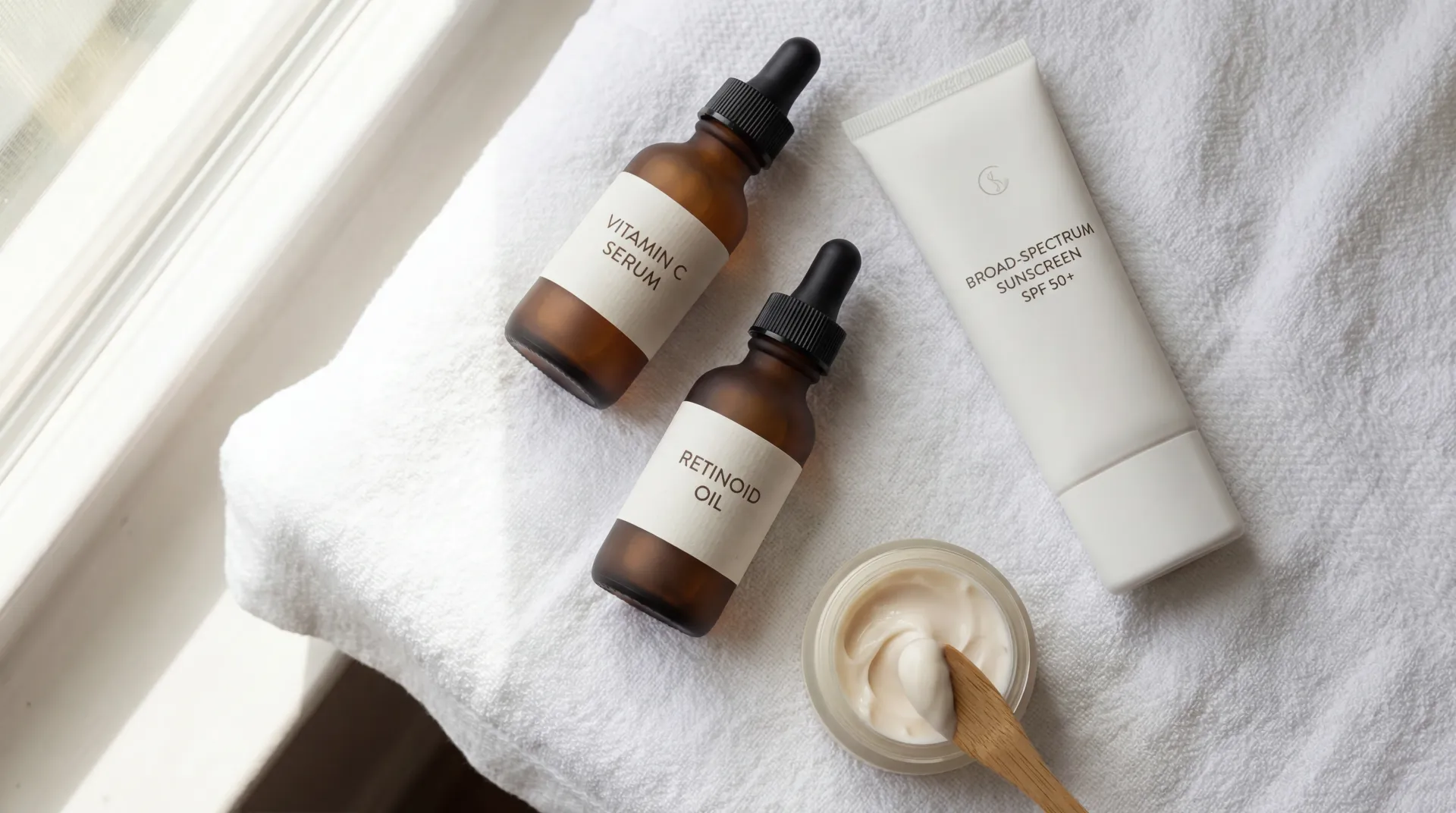
If you use active ingredients like retinoids or exfoliating acids, buffer them with moisturizer and reduce frequency temporarily when dryness increases. More active does not always mean more progress. Often, the fastest route to better-looking skin is less irritation and steadier barrier support.
Finally, sleep and stress affect behavior adherence. When you are sleep-deprived, routines get skipped and hydration signals are ignored. Protecting evening routines makes your skin plan easier to execute the next day, even before biological effects are considered.
Myth vs fact: what really hydrates skin
Skin hydration advice online often mixes partial truths with exaggerated promises. Use this table to separate high-value actions from noise.
| Myth | Fact | What to do instead |
|---|---|---|
| Drinking huge amounts of water alone fixes dry skin | Systemic hydration helps, but barrier damage can still drive dryness | Pair steady water intake with moisturizer and trigger control |
| Natural oils are always safe for every skin type | Some oils can irritate or disrupt barrier function in certain users | Patch-test and choose products based on response, not trend |
| Hot showers hydrate because they feel moist | Heat can increase lipid loss and worsen post-shower tightness | Use lukewarm water and moisturize right after bathing |
| If skin is dry, exfoliate more often | Over-exfoliation can increase TEWL and sensitivity | Reduce exfoliation and prioritize barrier repair for 2-3 weeks |
| Only expensive products can restore hydration | Many affordable moisturizers work when used consistently | Buy for ingredient profile and tolerability, not price alone |
Evidence-based skin care is usually less dramatic than social media routines, but it is more reliable over time. If a routine feels sustainable and your skin symptoms improve, you are likely on the right track.
Your 7-day skin hydration reset
Use this one-week plan to rebuild consistency without overhauling your entire lifestyle. Keep it simple, track what happens, then adjust based on your skin’s response. The goal is not perfection. The goal is fewer avoidable stressors and more repeated wins.
| Day | Primary focus | Minimum action | Tracking signal |
|---|---|---|---|
| Day 1 | Baseline reset | Gentle cleanse + moisturizer AM/PM | Dryness score morning and night (1-10) |
| Day 2 | Hydration rhythm | Water with each meal + one extra glass | Urine color and afternoon tightness |
| Day 3 | Nutrition support | One hydration plate at lunch or dinner | Skin comfort after meals |
| Day 4 | Shower optimization | 5-10 minute lukewarm shower + immediate moisturizer | Post-shower tightness duration |
| Day 5 | UV protection | Broad-spectrum sunscreen in morning | End-of-day redness and sensitivity |
| Day 6 | Environment | Use humidifier during sleep window | Morning flaking and itch |
| Day 7 | Review and adjust | Keep what worked, remove what irritated | Weekly symptom trend and routine adherence |
One-week checkpoint: If dryness, itching, or stinging are unchanged after consistent basics, stop adding products and get a medical skin evaluation.
This plan is intentionally modest. A repeatable routine beats a perfect routine you cannot sustain. Run this for two to four weeks before judging results, then refine only one variable at a time.
Frequently Asked Questions
Can I hydrate my skin naturally without buying many products?
Yes. Many people improve hydration with a short list: gentle cleanser, moisturizer, sunscreen, and habit upgrades such as shorter showers, better hydration timing, and humidifier use. Product count is less important than routine consistency and irritant reduction.
How much water should I drink for better skin?
There is no single number that fits everyone. A practical target is steady intake throughout the day based on thirst, activity, and climate, while avoiding long fluid gaps. If urine is consistently dark and your skin feels tight, increase intake and review sodium and activity losses.
Are homemade masks like honey or aloe always safe?
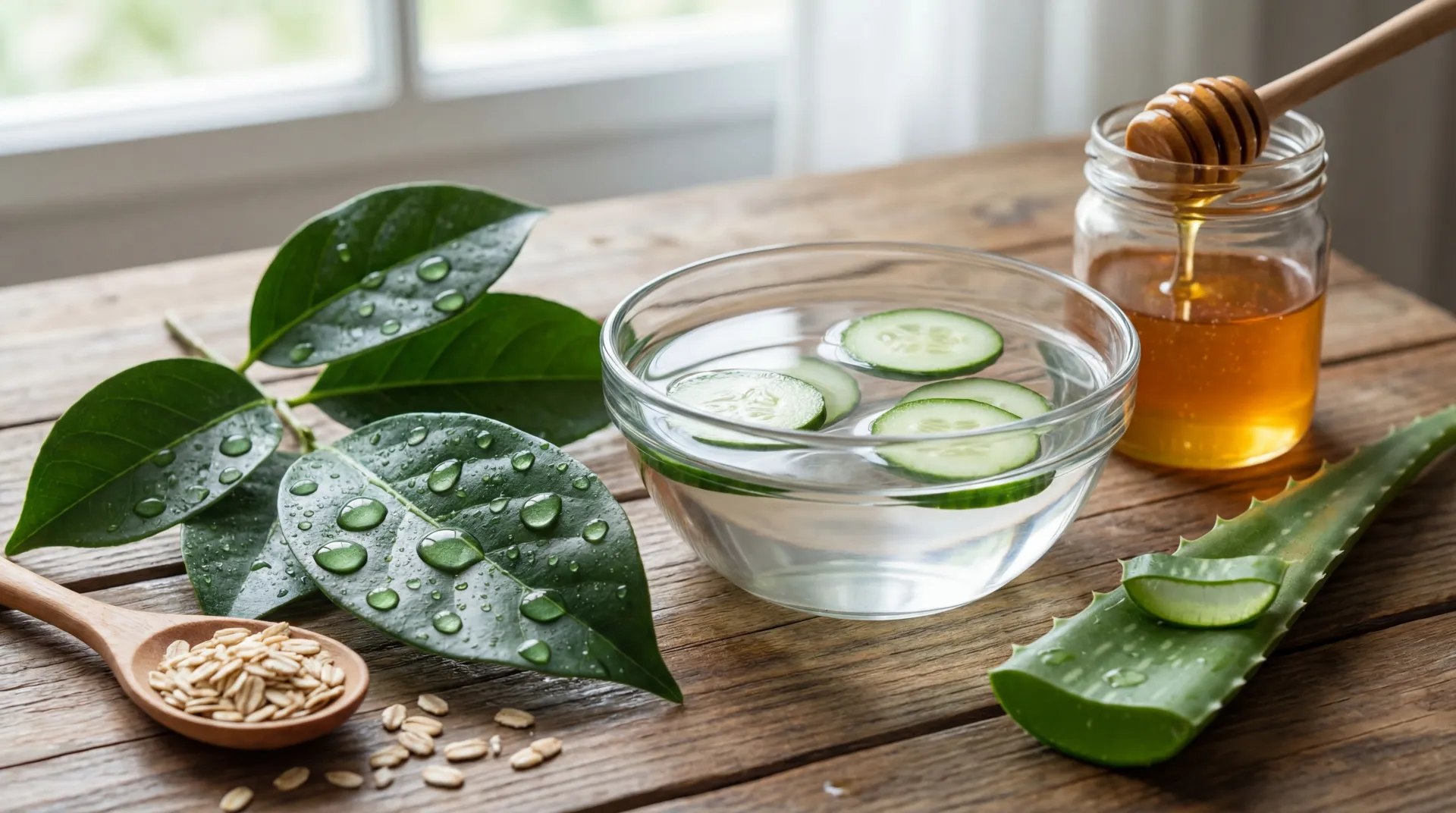
Not always. Some natural ingredients can irritate sensitive or eczema-prone skin. Patch-test first, avoid prolonged contact, and stop immediately if burning or redness increases. Natural does not automatically mean low-risk for every skin type.
Do I need both a serum and a moisturizer?
Not necessarily. A well-formulated moisturizer can include humectants, emollients, and occlusives in one product. If skin remains dry, adding a simple hydrating serum before moisturizer may help, but build slowly and monitor tolerance.
When should I see a dermatologist for dry skin?
Seek care if dryness is persistent, painful, cracked, bleeding, infected, or linked to significant itch and sleep disruption. Medical evaluation is also important when over-the-counter care fails after several weeks of consistent barrier-focused routine changes.
The bottom line: consistency beats complexity
The best natural skin hydration strategy is a system: steady fluid intake, food patterns that support barrier repair, topical layering based on function, and daily protection from avoidable stressors such as hot water and UV exposure. Most people do not need an extreme routine. They need a stable one.
If you remember only three steps, keep these: hydrate across the day, moisturize on damp skin, and use sunscreen every morning. Add a humidifier in dry seasons, and be cautious with over-exfoliation. Over time, these simple moves produce stronger, calmer, and better-hydrated skin than frequent product switching.
Skin changes are rarely instant, but they are highly responsive to repeated habits. Build the routine once, then let consistency do the heavy lifting.
Related Articles
- Top 10 Health Benefits of Drinking Water - A practical look at how hydration supports energy, metabolism, and daily wellness.
- Unusual Signs of Dehydration | Complete Guide - Learn early dehydration signals and simple recovery steps.
- 5 Ways to Protect Your Skin during Summer - Seasonal habits to reduce UV and heat-related skin stress.
- Top Natural Sunscreens | Summer 2016 - Ingredient-focused sunscreen guidance for everyday protection routines.
- DIY Natural Remedies Against Sun UV Skin Damage - Recovery strategies when sun exposure leaves skin irritated and dry.
Medical Disclaimer
This article is for informational and educational purposes only and is not medical advice, diagnosis, or treatment. Always consult a licensed physician or qualified healthcare professional regarding any medical concerns. Never ignore professional medical advice or delay seeking care because of something you read on this site. If you think you have a medical emergency, call 911 immediately.