Natural Remedies for Boosting Testosterone Levels | Best Testosterone Boosters
Testosterone is a hormone which plays an essential role in men’s health. For starters, it stimulates the optimal maintenance of muscle mass, bone density and also the sex drive. Testosterone deficit is called hypogonadism, and it can cause various unpleasant effects, therefore, such a health condition should be avoided in the first place.((https://medlineplus.gov/ency/article/000390.htm))
[box type="info" align="" class="" width=""]There’s no magical solution for boosting your testosterone levels, but there are certainly few natural remedies which will help get you back on track.[/box]
 There are 3 categories of healthy fats. The first one is represented by saturated fats. Saturated fat is beneficial to the human body if it is the proper kind. Such healthy saturated fats are found in coconut oil and raw, fermented dairy such as yogurt, goat milk kefir, sheep milk cheese. You must also avoid conventional dairy because it will damper your testosterone levels.
The second category of healthy fat is omega-3 fatty acids. Consuming salmon or adding a quality fish oil supplement to your diet is very beneficial. Flaxseeds, chia seeds and also walnuts are great to increase the levels of testosterone.
The last category of healthy saturated fats is represented by monounsaturated fats. For instance, eating an avocado every day, or olive oil and almonds will really help get the healthy fats which will naturally boost your testosterone levels.
There are 3 categories of healthy fats. The first one is represented by saturated fats. Saturated fat is beneficial to the human body if it is the proper kind. Such healthy saturated fats are found in coconut oil and raw, fermented dairy such as yogurt, goat milk kefir, sheep milk cheese. You must also avoid conventional dairy because it will damper your testosterone levels.
The second category of healthy fat is omega-3 fatty acids. Consuming salmon or adding a quality fish oil supplement to your diet is very beneficial. Flaxseeds, chia seeds and also walnuts are great to increase the levels of testosterone.
The last category of healthy saturated fats is represented by monounsaturated fats. For instance, eating an avocado every day, or olive oil and almonds will really help get the healthy fats which will naturally boost your testosterone levels.
 This herb contains very high amounts of furostanolic saponins which are chemicals that naturally boost testosterone levels.

 Garlic should be left to sit for a few minutes after it is peeled and after that, it should be chopped and the great benefits will take full effect this way.
 Try sprinkling berries on your morning oatmeal. Berries are some of the best fruits because they contain less sugar than pineapples or bananas while containing important antioxidants which help you protect your body from free radicals. They can help lower your risk of developing cancer because of oxidation. The substances which are found in berries’ composition will also help to reduce the levels of estrogen from the body and they’ll boost the testosterone levels instead.

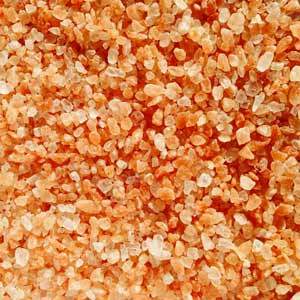 It was believed that salty diets can put you at risk for high blood pressure and various heart diseases. However, it has been found that the type of salt you consume is very important as salt intake is related to potassium levels. You must choose healthy salts such as Himalayan crystal salt or sea salts and you will definitely be helping your body’s health. These salts are not processed and they’re healthy for the body, also promoting optimal levels of testosterone.
 One of the essential natural testosterone boosters is intermittent fasting and it has been shown that testosterone is increased by almost 200% or even up to 400% by using this method, making it extremely beneficial. A study from the University of Virginia Medical School showed that growth hormone levels increased dramatically over the baseline in individuals who ate no calories for 24 hours. Growth hormone levels are correlated with testosterone.
Intermittent fasting means that you skip breakfast and you eat all the other meals closer together. You must eat three meals per day: one at noon, another at 3 p.m. and the last one around 6 p.m. This way, your organs will have plenty of time to rest, especially your liver. This is vital for naturally balancing hormones, especially testosterone.
One of the essential natural testosterone boosters is intermittent fasting and it has been shown that testosterone is increased by almost 200% or even up to 400% by using this method, making it extremely beneficial. A study from the University of Virginia Medical School showed that growth hormone levels increased dramatically over the baseline in individuals who ate no calories for 24 hours. Growth hormone levels are correlated with testosterone.
Intermittent fasting means that you skip breakfast and you eat all the other meals closer together. You must eat three meals per day: one at noon, another at 3 p.m. and the last one around 6 p.m. This way, your organs will have plenty of time to rest, especially your liver. This is vital for naturally balancing hormones, especially testosterone.

What is Testosterone?
Testosterone is a hormone which is found in humans and animals. Men’s testicles primarily make testosterone, and women’s ovaries also produce the hormone, though in much smaller amounts. The production of testosterone starts to increase significantly during puberty, and it begins to decrease after approximately 30 years of age. Testosterone is associated with sex drive and libido, and it plays an essential role in the production of sperm. The hormone also affects muscle and bone mass, the way that fat is stored in men’s bodies, and it also has a great importance in the red blood cell production. In the case of men, their testosterone levels can affect their mood. Did you know that the average 100-year-old Okinawan male has much higher levels of testosterone than the average male from America who is 30 years younger? Unfortunately, today, low testosterone in men is a health condition that is rapidly growing. Maintaining the optimal levels of testosterone can be quite tricky and we’re not only referring to men. A healthy woman can make up to 300 micrograms of testosterone in her ovaries and adrenal glands daily. Women with low testosterone levels will experience, just like men, symptoms that include: decreased libido, chronic fatigue and also a decreased state of well-being, apathy. Therefore, testosterone is a hormone we should all keep tabs on!Testosterone Benefits for the Human Body
Testosterone is known as the sex hormone which is responsible for defining manhood, and this is very accurate. But, however, optimal levels of testosterone are very important also for stimulating sexual desire, for increasing the libido, for heightening the arousal and for ensuring sexual satisfaction in both women and men. Proper levels of testosterone in the human body will also ensure the maintaining of the following: [custom_list type="check"]- Sufficient levels of red blood cells
- A healthy pain response of the body
- Regular sleep patterns
- Muscle mass
- Proper bone density
- High energy levels
Causes of Low Testosterone Levels
As women and men age, their testosterone levels will naturally decline, but this process is accelerated faster than normal by the typical unhealthy lifestyle we all tend to have: [custom_list type="check"]- Chronic stress
- Insufficient nutrition
- Low vitamin D levels
- Imbalanced microflora
- Weight gain
- Inadequate exercise
- Prescription drugs
- Chemotherapy or radiation treatment for cancer
- Infection, injury or loss of the testicles
- Some genetic abnormalities (such as Klinefelter’s Syndrome – extra X chromosome)
- Dysfunctions of the pituitary gland (a gland that is located in the brain and which produces many essential hormones) or of the hypothalamus
- High levels of iron in the body (hemochromatosis)
- Medications and especially hormones which are used to treat prostate cancer and corticosteroid drugs
- Inflammatory diseases
- Chronic kidney failure
- Chronic illness
- Cirrhosis of the liver
- Alcoholism
- Obesity (especial in the abdominal region)
- HIV/AIDS
- Type 2 diabetes
Low Testosterone Symptoms and Effects on the Human Body
The symptoms in case of low testosterone levels include the following: [custom_list type="check"]- Decreased sex drive
- Erectile dysfunction
- Feelings of depression
- Decreased sense of well-being
- Difficulty in concentrating
- Decreased muscle mass
- Increased body fat
- Changes in cholesterol levels
- Decreased hemoglobin levels and mild anemia
- Osteoporosis (fragile bones)
- Decrease in body hair
- Changes in lipid levels
Diagnosing Low Testosterone
The only accurate way of detecting this health condition is to have a doctor measure the amount of testosterone in the blood. It is important to remember that testosterone levels fluctuate throughout the day, therefore, some measurements will need to be taken, in order to detect a deficiency of testosterone. It’s best to test the hormone’s levels early in the morning when testosterone levels are the highest.Treatments for Low Testosterone
This health condition can be treated with hormone replacement therapy and with natural boosters of testosterone. We’ll have a look at both in order to learn their advantages and disadvantages.-
Testosterone Replacement Therapy
- Testosterone gel applied to the skin or inside the nose
- Intramuscular injections
- Mucoadhesive material applied above the teeth twice a day
- Long-acting subcutaneous pellet
- Testosterone stick (applied similarly to underarm deodorants)
Who Shouldn’t Choose Testosterone Replacement Therapy?
Men who suffer from the following health conditions should stay away from the treatments described above: [custom_list type="dot"]- Prostate cancer
- Breast cancer
- Severe urinary tract problems
- Untreated severe sleep apnea
- Uncontrolled heart failure
Testosterone Replacement Therapy Side Effects
[custom_list type="x"]- Oily skin or acne
- Mild fluid retention
- Breast enlargement
- Increased risk of developing prostate cancer
- Stimulation of the prostate tissue with increased urination symptoms (decreased stream or lower frequency)
- Increased risk of blood clots
- Worsening of sleep apnea (the sleep disorder that results in frequent night time awakenings and also daytime sleepiness)
- Mood swings and increased aggression
- Decreased testicular size
- Increased risk for heart attacks and strokes
- Changes in lipid and cholesterol levels
- Increased red blood cell count
- Decreased sperm count and also infertility
Natural Testosterone Boosters
-
Healthy Fats
-
Vitamin D
-
Zinc
-
Fenugreek
-
Ginger
-
Tribulus Terrestris
-
Damiana
-
D-Asparaginic Acid (D-Aspartic Acid)
-
Juicy Steaks
-
Garlic
-
Oranges
-
ZMA
-
Herbal Tea
-
Celery with Peanut Butter
-
Resveratrol
-
Berries
-
Broccoli
-
Forskolin
-
Dark chocolate
-
Onions
-
Quality Salt
-
Grapefruit
-
Ashwagandha
-
Shilajit
20 Ways of Naturally Balancing Your Testosterone Levels
Next, we’ve prepared some great advice which can also be seen as natural ways of boosting the testosterone levels.-
Consider Intermittent Fasting
-
Exercising: Heavy Weight Training and Interval Training
-
Detoxify Your Liver!
-
Reduce Stress
-
Lose the Sugar
-
Get Some Quality Good Night’s Sleep
-
Loose the Excessive Weight
-
Review Your Medication
- Opioid drugs
- Glucocorticoid drugs
- Anabolic steroids (used for building muscles and for improving athletic performance)
-
Avoid Soy
-
Stay Away From Excessive Alcohol Consumption
-
Limit Canned Tuna Consumption
-
Don’t Overeat Fiber
-
Avoid Plastic Containers
-
Don’t Go Vegetarian
-
Go Organic
-
Choose a Slow and Steady Diet
-
Spice Up Your Bedroom
-
Run a Thyroid Test
-
Try Meditation
-
Don’t Neglect Your Rest Days