Hummus Health Benefits and Recipes: The Ultimate Guide
Hummus Health Benefits and Recipes: The Evidence-Based Ultimate Guide
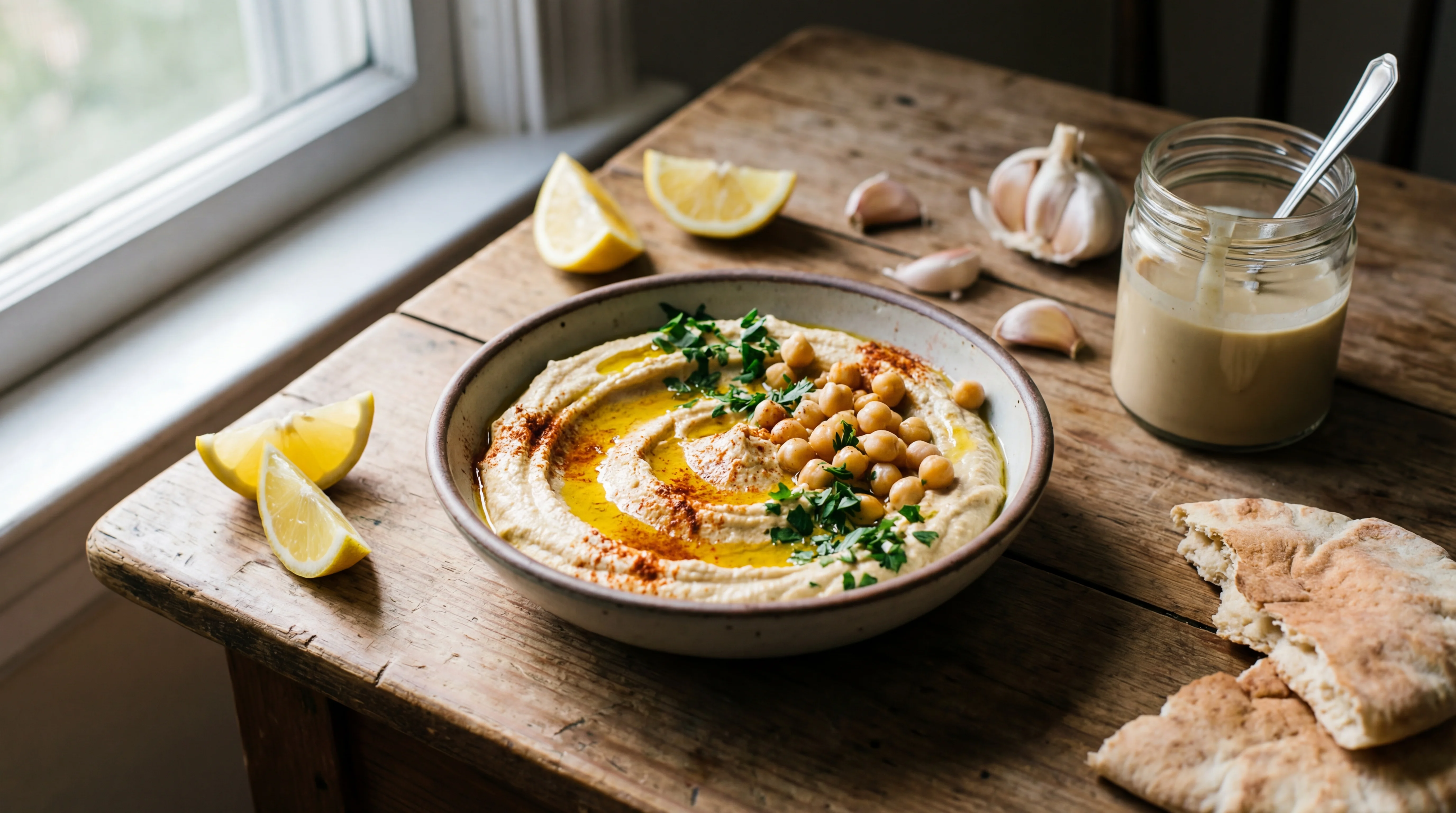
Hummus has moved from specialty dip to everyday staple, and for good reason. When it is made with a balanced formula of chickpeas, tahini, olive oil, lemon, and garlic, hummus can deliver fiber, plant protein, unsaturated fats, and key minerals in one affordable food. It is not a miracle food, but it is a practical one. In nutrition counseling, practical foods usually beat perfect foods because people can actually keep using them.
This guide gives you a clear answer to the question most people ask: is hummus truly healthy, or just another trendy spread? We will look at what studies support, what they do not support, where portions matter, and how to build recipes that help with heart health, blood sugar stability, and long-term weight management. You will also get ten recipe frameworks that are easy to rotate through the week, plus a seven-day prep system that keeps hummus from becoming a sodium-heavy snack trap.
Quick take: Hummus is healthiest when it replaces ultra-processed snacks, is paired with vegetables or whole grains, and is portioned intentionally rather than eaten straight from a large container.
Can one cup of chickpeas really help close your daily fiber and protein gaps?
For many adults, the answer is yes. Chickpeas are a pulse, and pulses are one of the most underused high-value foods in modern diets. They are rich in slowly digested carbohydrates, fermentable fiber, and plant protein. In the U.S., dietary guidance continues to recommend beans, peas, and lentils as both a vegetable and a protein option depending on your total pattern (USDA and HHS, 2020). That flexibility is useful because it means hummus can support more than one nutrition target in the same meal.
A typical serving of hummus is two tablespoons, but that serving is often too small to matter nutritionally. Most people use closer to one-third to one-half cup when hummus is a real snack or meal component. At those portions, you can meaningfully increase fiber intake without relying on supplements. If you are trying to build a higher-quality plant-forward pattern, hummus can work well alongside other evidence-aligned options in our guide to vegan and vegetarian protein sources.
Hummus also makes pulse intake easier for people who do not enjoy whole beans in salads or stews. Texture matters for adherence. A smooth spread is often easier to use consistently than a whole-legume side dish, especially for busy families or for people eating at work.
| Portion | Why it matters nutritionally | Where it fits best |
|---|---|---|
| 2 tablespoons | Entry-level portion for flavor and light nutrient support | Sandwich spread, small snack plate |
| 1/3 cup | More meaningful fiber and protein contribution | Vegetable snack box, grain bowl topping |
| 1/2 cup | Can function as a protein-forward meal component | Lunch plate with vegetables and whole grains |
If you want broader context on why pulses are repeatedly emphasized in prevention-focused nutrition, see our pulse-focused explainer: health benefits of pulses.
People who eat pulses regularly tend to show better cardiometabolic markers in major reviews
Hummus should not be evaluated in isolation from its base ingredient category. Pulses as a group are associated with favorable cardiometabolic effects across multiple evidence layers, though effect sizes vary by study design. A meta-analysis in Public Health Nutrition (2017) found higher legume intake associated with lower cardiovascular disease risk, especially coronary heart disease. A newer dose-response meta-analysis in Clinical Nutrition (2022) also reported inverse associations between higher legume intake and CVD and CHD risk, with an apparent plateau at higher intakes.
Randomized controlled trial evidence is also relevant for risk factors. In a systematic review and meta-analysis published in CMAJ (2014), diets emphasizing pulses were associated with lower LDL cholesterol. Effects were modest, but this is exactly what you expect from food-level interventions: small changes that become meaningful when repeated over months and years.
For glycemic response, hummus-specific data exists. A dose-response study in Nutrition Journal (2016) showed hummus had a low glycemic response compared with white bread reference meals. More recent synthesis work in Nutrition Journal (2025) supports that chickpea-based meals can reduce postprandial glucose exposure in controlled settings. This does not mean hummus "treats" diabetes. It means hummus can be one useful part of a lower-glycemic eating pattern when used in place of refined, low-fiber options.
| Evidence area | What the research suggests | Practical takeaway |
|---|---|---|
| CVD outcomes in cohorts | Higher legume intake is linked with lower CVD or CHD risk in several meta-analyses | Use hummus as part of a long-term dietary pattern, not as a one-off fix |
| Lipid markers in trials | Pulse-rich diets can lower LDL cholesterol modestly | Replacing refined snacks with hummus can support heart-health goals |
| Post-meal glucose response | Hummus and chickpeas often produce lower glycemic response than refined carbohydrate controls | Pair hummus with vegetables or whole grains for steadier energy |
The first time your homemade hummus tastes flat, this ingredient ratio is usually why
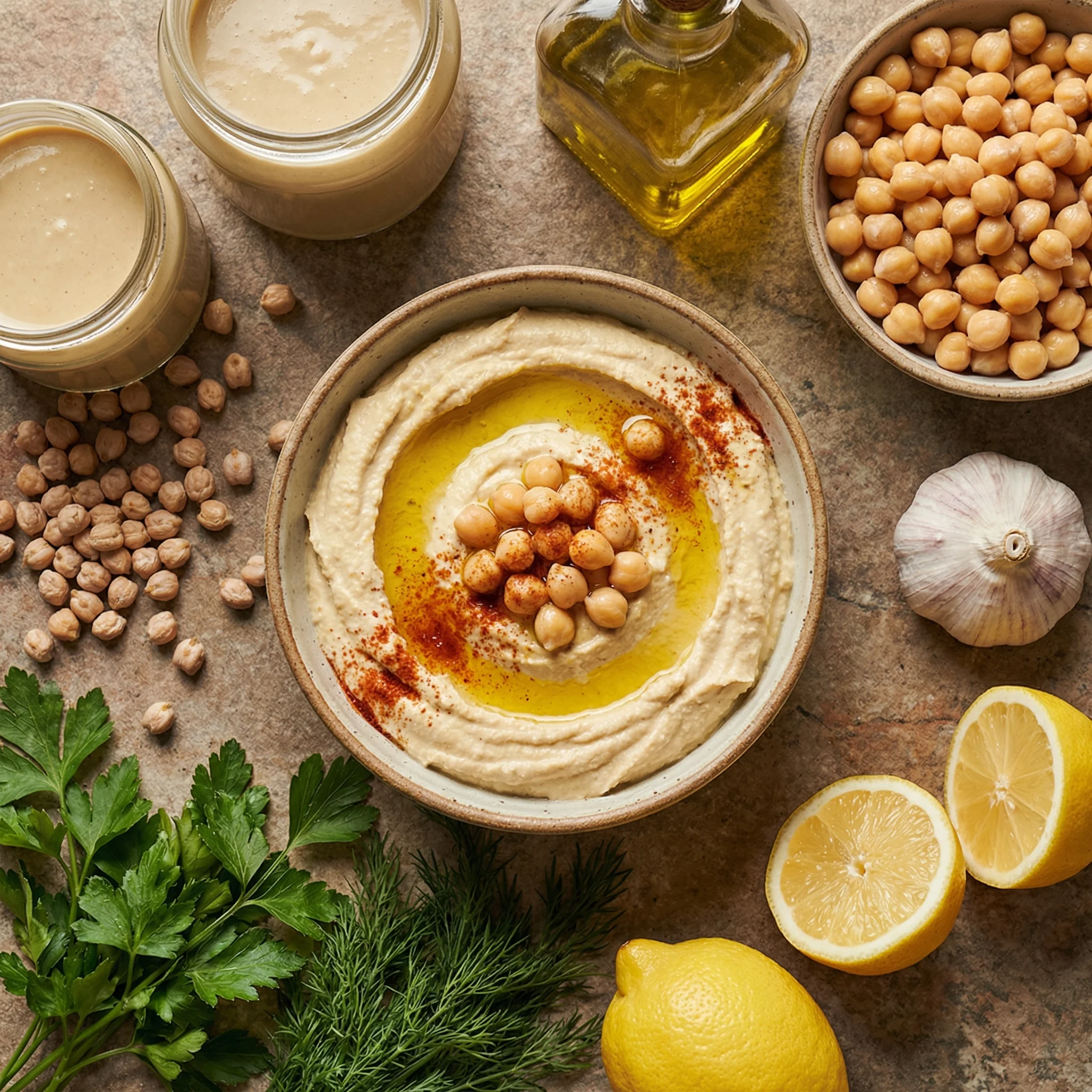
Most disappointing hummus comes from one of three problems: too little acid, too little salt balance, or poor chickpea texture. People often cut lemon, salt, and tahini too aggressively because they fear calories or sodium, then end up with bland hummus and compensate by adding chips. A better strategy is to tune flavor in the bowl, then control portions at serving time.
If you make hummus at home, start with structure before customization: cooked chickpeas, tahini, lemon juice, garlic, olive oil, cold water, and measured salt. Blend until fully smooth. The extra blending time matters because creaminess changes satiety and palatability. Coarse hummus can feel dry and lead people to add too much oil later.
Ingredient quality also matters. Rancid tahini or old garlic can ruin a batch fast. Good hummus is usually less about expensive ingredients and more about freshness and ratio control. If you want a full whole-food approach across the week, this pairs well with our practical guide to choosing whole foods.
"Food patterns beat superfoods" is the right way to think about hummus
Hummus is strongest when it sits inside a larger Mediterranean-style pattern, not when it is marketed as a single superfood. The Mediterranean diet evidence base remains one of the most consistent for cardiometabolic prevention, including the well-known PREDIMED trial in NEJM (2013). Hummus fits naturally into that pattern because it combines legumes, sesame, olive oil, and vegetables when served correctly.
This is also why context changes outcomes. Hummus plus cut vegetables, fish, whole grains, and fruit supports one trajectory. Hummus plus refined crackers, processed meats, and sugary drinks supports a different trajectory. The same dip can appear in both diets, but the health effect of the total pattern is not the same.
When counseling patients, a useful rule is substitution over addition. Do not simply add hummus to an already high-calorie snack routine. Replace lower-quality dips and processed snacks with hummus-centered plates. That is where the measurable benefit usually appears in real life.
What actually makes hummus healthy or less healthy: sodium, fats, and serving size
Store-bought hummus ranges from excellent to very salty, especially flavored versions. Olive-oil-based fat is generally favorable compared with many processed snack fats, but calorie density still matters for weight goals. This is why label reading is not optional. You can absolutely buy good hummus, but you should compare sodium per serving and ingredient order.
As a practical target, choose hummus with a short ingredient list and moderate sodium per serving, then decide your portion before eating. Eating directly from a large tub can turn a planned snack into several servings quickly. Portioning into a bowl is a simple behavior with big payoff.
| Hummus type | Common nutrition profile trend | Best use case |
|---|---|---|
| Homemade classic | Usually lower sodium and highly customizable fat/salt level | Weekly meal prep and family snacks |
| Store-bought plain | Convenient, moderate variability in sodium | Quick work lunches and travel meals |
| Store-bought flavored | Can be higher sodium and sometimes added oils or sweeteners | Occasional variety, smaller portions |
If blood sugar control is your priority, combine hummus with low-glycemic vegetables and high-fiber meals. Our related guide on low and high glycemic index foods can help you build those combinations quickly.
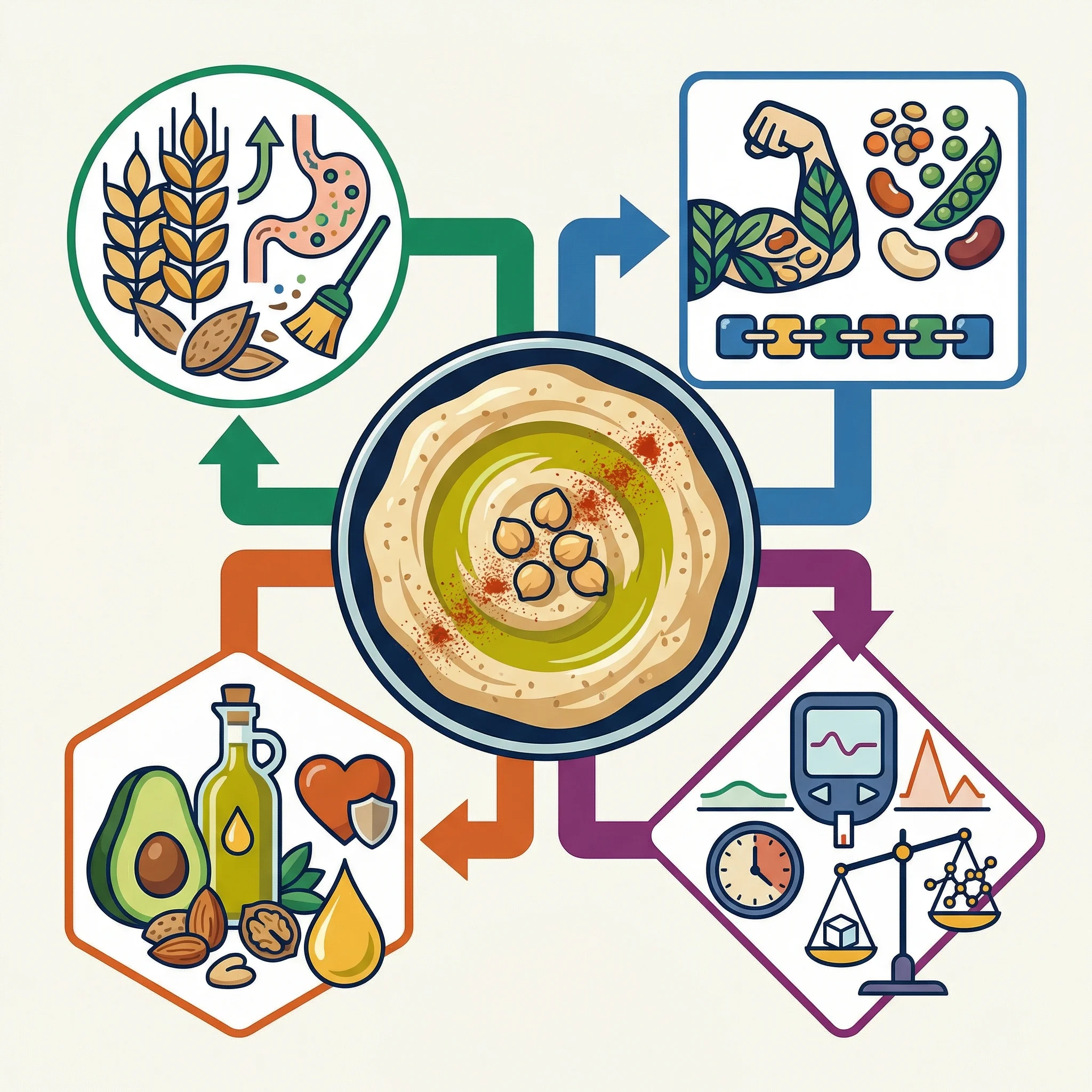
Myth vs fact: hummus is healthy in every amount and every recipe
| Myth | Fact | What to do |
|---|---|---|
| Hummus is always low calorie so portions do not matter. | Hummus is nutrient-dense but still calorie-dense enough to overeat easily. | Serve in a bowl, not from the container, and pair with vegetables. |
| Any hummus is automatically heart healthy. | Sodium and added ingredients vary widely across products. | Check sodium and ingredient list before buying. |
| Hummus can replace all protein sources. | It contributes protein but often needs support from other protein foods. | Pair with fish, tofu, eggs, yogurt, or additional legumes as needed. |
| People with diabetes should avoid hummus because it has carbs. | Chickpea-based foods often have lower glycemic impact than refined starch options. | Use hummus as part of a balanced, portioned meal pattern. |
| Homemade hummus is complicated and time-consuming. | A basic batch takes about 10 minutes once ingredients are ready. | Cook chickpeas ahead once weekly or use no-salt-added canned chickpeas. |
How can you build a hummus plate that supports blood sugar and satiety?
Think in layers instead of snacks. Start with hummus as the anchor, then add high-volume vegetables, a structured protein, and a smart carbohydrate if you need more energy. This simple framework usually outperforms random snacking and helps reduce later overeating.
One reason this works is satiety sequencing. If you eat fiber-rich and protein-rich components first, appetite often settles before high-calorie snack foods appear. A randomized crossover study in Foods (2021) that included hummus among Mediterranean preloads adds to this conversation by showing how food matrix and composition can influence appetite response.
- Step 1: Use one-third to one-half cup hummus.
- Step 2: Add at least two cups of non-starchy vegetables.
- Step 3: Add a protein booster if needed: boiled eggs, tofu cubes, or grilled fish.
- Step 4: Add a controlled carbohydrate: whole-grain pita wedge, quinoa, or roasted chickpeas.
- Step 5: Finish with herbs, lemon, and spices instead of extra sodium-heavy sauces.
If you are planning meals around insulin resistance or prediabetes, this approach aligns well with broader pattern guidance discussed in our article on diets that help prevent or manage diabetes.
10 evidence-aligned hummus recipes you can rotate without burnout
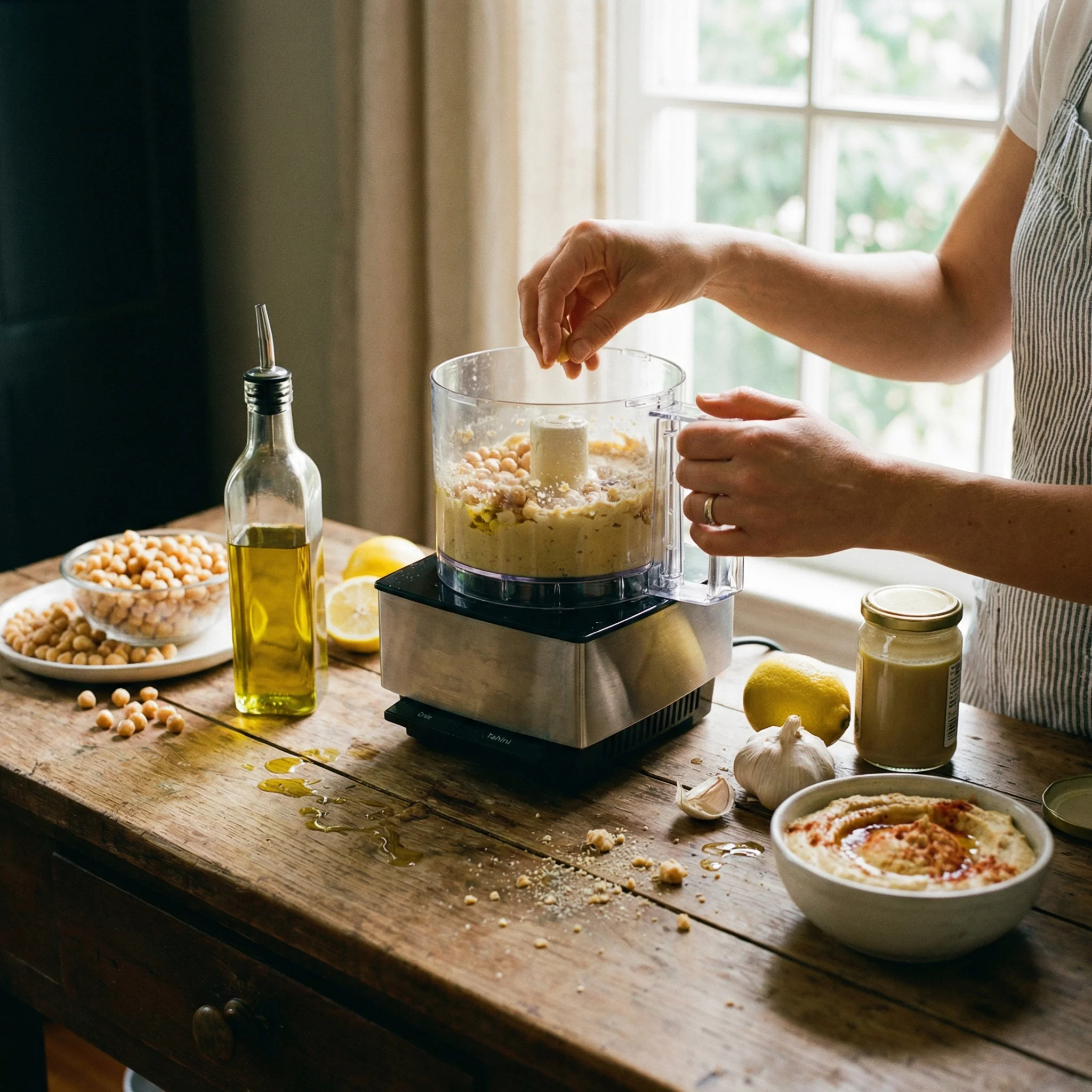
These recipes keep the core nutrition profile strong while giving enough variety to stay consistent. Each option starts with a classic base and then shifts flavor, fiber, or protein emphasis.
1) Classic lemon-garlic hummus
Blend cooked chickpeas, tahini, lemon juice, garlic, olive oil, cold water, and salt until very smooth. This is your baseline batch for the week.
2) Roasted red pepper hummus
Add roasted red peppers and smoked paprika to the classic base. Keep sodium in check by using no-salt-added peppers when possible.
3) Herb-forward green hummus
Add parsley, dill, cilantro, and extra lemon zest. This version pairs well with fish and grain bowls.
4) Spicy cumin-lime hummus
Add cumin, chili flakes, lime juice, and a small amount of jalapeno. Useful when you want stronger flavor without excess salt.
5) Beet hummus for polyphenol variety
Add roasted beet and a little extra lemon. The color increases appeal for kids and meal prep boxes.
6) Edamame-chickpea hybrid hummus
Replace one-third of chickpeas with shelled edamame for a higher-protein texture and brighter flavor.
7) Greek-yogurt hummus blend
Fold in plain strained yogurt after blending for extra creaminess and additional protein. Best eaten within three days.
8) Za'atar olive hummus
Add za'atar and chopped olives in a measured amount. Flavor is strong, so smaller olive amounts often work.
9) White bean and chickpea hummus
Swap half the chickpeas for cannellini beans for a softer texture and milder taste profile.
10) High-fiber vegetable hummus
Blend in steamed cauliflower or zucchini for extra volume with lower calorie density per spoonful.
| Recipe style | Best for | Prep note |
|---|---|---|
| Classic or herb-forward | Daily lunch bowls and vegetable plates | Make large batch once weekly |
| Spicy or roasted pepper | Flavor variety without adding sugary sauces | Control sodium with ingredient swaps |
| Edamame hybrid or yogurt blend | Higher-protein goals and post-workout meals | Smaller batches improve freshness |
| Beet or high-volume vegetable | Weight management and high-volume snacking | Adjust lemon and salt after blending |
What if you have IBS, sesame allergy, kidney disease, or a strict weight-loss target?
Hummus works for many people, but not all versions fit all medical contexts. Adjustment is usually possible.
| Situation | Main concern | Safer adjustment |
|---|---|---|
| IBS with FODMAP sensitivity | Chickpeas and garlic can trigger symptoms in some people | Use smaller servings, garlic-infused oil, and monitor tolerance |
| Sesame allergy | Tahini is sesame-based | Use tahini-free versions and avoid cross-contact products |
| Kidney disease | Potassium, phosphorus, and sodium may need individualized limits | Follow renal dietitian guidance on serving size and product choice |
| Active weight loss phase | Calorie density can rise quickly with large portions | Pair pre-portioned hummus with high-volume vegetables first |
| Sports fueling | May need more total carbohydrate and protein | Pair hummus with whole grains and additional protein source |
When symptoms or chronic conditions are involved, individualization beats rigid food rules. Hummus can often stay in the plan with the right serving and pairing strategy.
A seven-day hummus prep workflow can cut decision fatigue and improve consistency
Nutrition plans fail most often at the behavior level, not the knowledge level. You probably already know hummus can be healthy. The real challenge is having it available in the right form when you are rushed, tired, or hungry.
- Cook once: Prepare two hummus bases on day one, one classic and one variation.
- Portion once: Divide into grab-and-go containers sized for your goals.
- Prep pairings: Wash and cut vegetables in parallel while hummus blends.
- Plan swaps: Decide which processed snack each hummus serving is replacing.
- Track response: Note energy, fullness, and cravings for one week, then adjust.
This system is simple, but it addresses the biggest adherence barrier: friction. Lower friction usually means better consistency, and better consistency is what creates long-term health outcomes.
Frequently Asked Questions About Hummus
Is hummus healthy enough to eat every day?
For many people, yes, especially if portions are intentional and sodium is managed. Daily use is most helpful when hummus replaces low-fiber processed snacks rather than adding extra calories on top of them.
How much hummus is a realistic serving for weight management?
A common practical range is one-third to one-half cup when paired with vegetables or a balanced meal. Very small servings can be unsatisfying, while very large unplanned servings can overshoot energy goals.
Is homemade hummus healthier than store-bought?
Homemade is usually easier for sodium control and ingredient simplicity. Store-bought can still be excellent if you compare labels and choose options with moderate sodium and straightforward ingredients.
Can hummus help with blood sugar control?
Hummus can support blood sugar stability compared with refined snack choices, especially when combined with vegetables and protein. It is a supportive food, not a stand-alone treatment.
What should I eat with hummus besides pita chips?
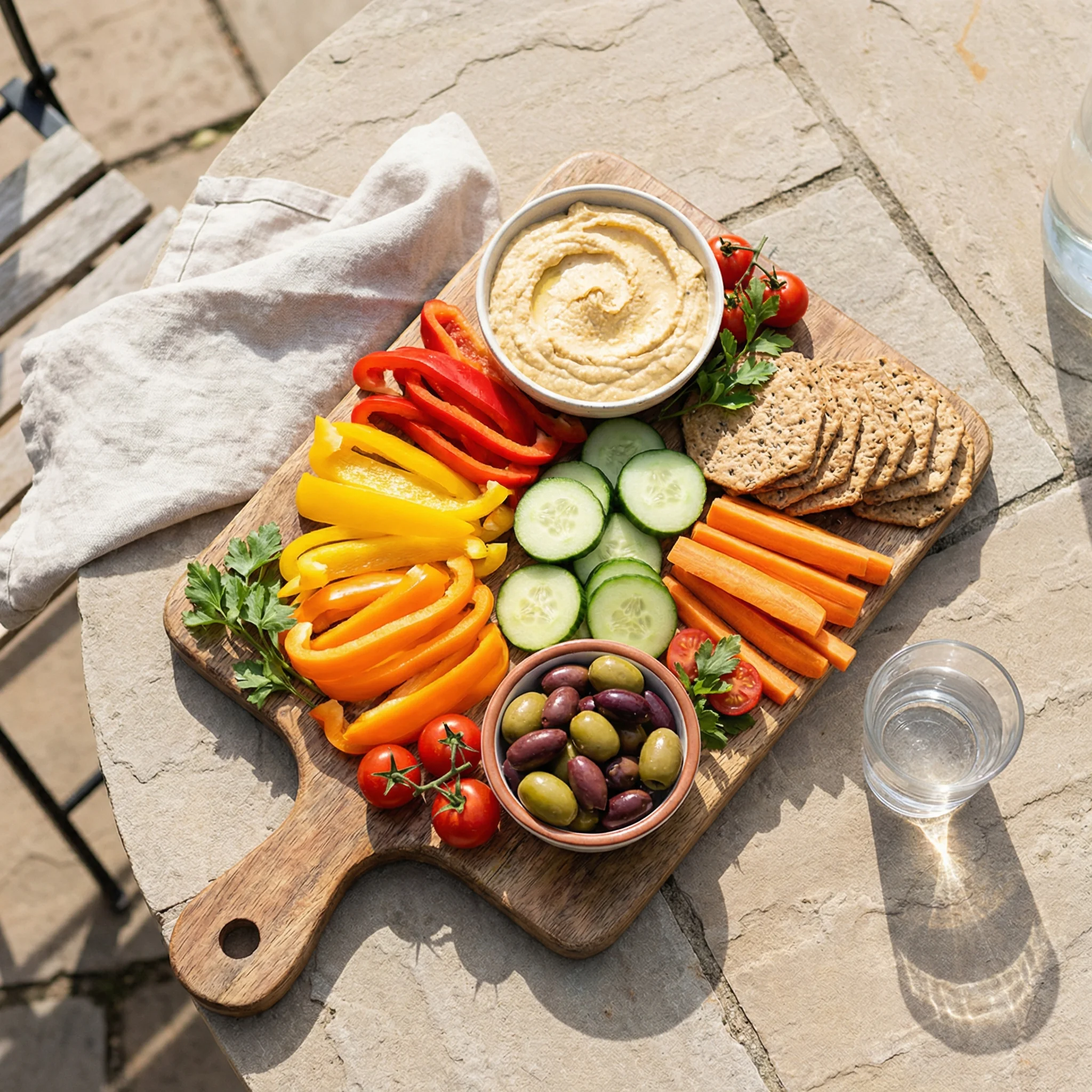
Try cucumbers, carrots, bell peppers, tomatoes, radishes, roasted vegetables, whole-grain crackers, or grain bowls. The goal is to pair hummus with higher-fiber foods that improve satiety and nutrient density.
Does hummus count as a protein or a vegetable?
Beans and chickpeas can count as either in U.S. dietary guidance depending on your total pattern. In practice, hummus contributes to both categories but should be part of a diverse overall intake.
The bottom line: hummus is a strong daily tool when used with intent
Hummus earns its health reputation when you use it as a strategic replacement for lower-quality foods, keep portions realistic, and pair it with vegetables, whole grains, and complementary proteins. Evidence from cohort studies, randomized trials, and dietary-pattern research supports this practical middle ground: not hype, not dismissal, just repeatable nutrition that improves your weekly pattern.
If you want one action step today, make a single batch, pre-portion it, and pair it with vegetables for the next three days. That one move will do more for your health trajectory than reading ten more snack lists.