Cold Plunge and Ice Bath Benefits — What Happens to Your Body
Discover the science-backed effects of cold water immersion on your brain, muscles, metabolism, and mood, plus evidence-based protocols and safety tips.
14 Min Read
The Bottom Line: Cold water immersion triggers rapid neurochemical and cardiovascular changes. A single session can spike norepinephrine by 530% and dopamine by 250%. Some of those responses translate into real benefits -- reduced stress, faster short-term recovery, and improved insulin sensitivity -- while others, like immunity and fat loss, remain far less convincing than social media suggests.
What Actually Happens When You Step Into Cold Water
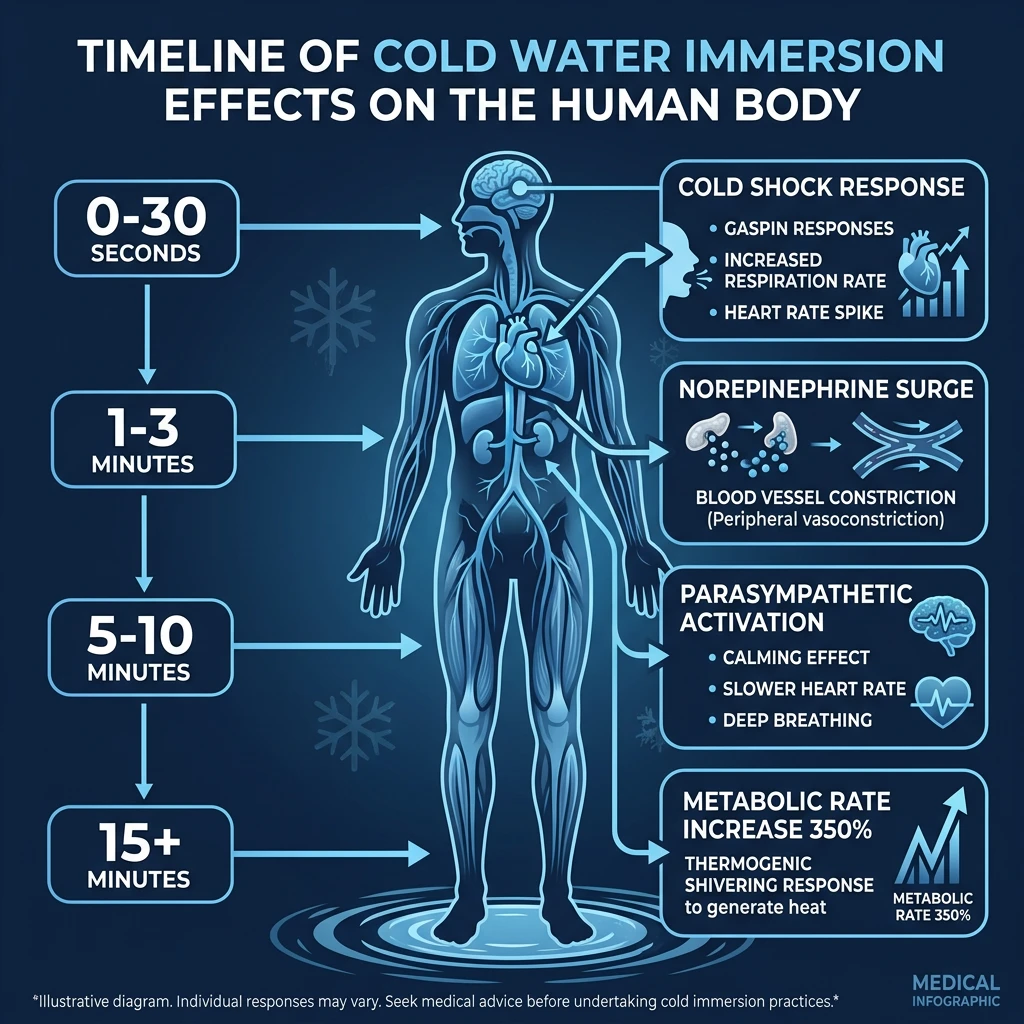
The moment cold water hits your skin, your body doesn't politely adjust. It panics. Thermoreceptors fire, your sympathetic nervous system dumps stress hormones into your bloodstream, and involuntary responses kick in within seconds. This cold shock response isn't some fringe reaction. It's a survival mechanism that temporarily rearranges how your cardiovascular, respiratory, and endocrine systems work.
Your heart rate spikes. Blood vessels in your extremities clamp down, shunting blood toward your core organs. Breathing goes rapid and shallow, sometimes with involuntary gasping, which is why submerging your face in open water without preparation is flat-out dangerous. Systolic blood pressure climbs as your heart pushes harder against narrowed vessels.
The less obvious part is what happens after those first 60-90 seconds. If you stay in, the initial sympathetic surge starts giving way to parasympathetic activation -- the "rest and digest" side of your nervous system. A study measuring physiological responses across three water temperatures captured this transition in 33 young men during one-hour head-out immersions:
| Measurement | 14°C (57°F) | 20°C (68°F) | 32°C (90°F) |
|---|---|---|---|
| Metabolic rate change | +350% | +93% | No change |
| Norepinephrine | +530% | No significant change | No change |
| Dopamine | +250% | No significant change | No change |
| Heart rate | +5% | Decreased | -15% |
| Systolic blood pressure | +7% | Decreased | -11% |
| Cortisol | Tended to decrease | Tended to decrease | -34% |
The cortisol finding surprises most people. Cold water doesn't spike your primary stress hormone. It either holds steady or drops slightly. What you're feeling is driven almost entirely by norepinephrine and the sympathetic nervous system, not the slower HPA axis that controls cortisol. In practice, that means cold immersion gives you sharp alertness without the sustained stress hormone load that chronic anxiety and burnout produce.
Your Brain on Cold Water -- The Neurochemical Cascade
That 530% norepinephrine surge at 14°C isn't just a number on a chart. Norepinephrine drives focused attention, mood elevation, and pain suppression. Unlike caffeine, which blocks adenosine receptors to delay tiredness, cold water triggers a direct catecholamine release that makes you more alert at a neurological level. The 250% dopamine bump -- comparable to what exercise produces -- is why so many cold plungers describe a post-immersion "high" that hangs around for hours.
But what does this actually look like inside the brain? A 2023 fMRI study gave us the first direct imaging evidence. Researchers at Bournemouth University scanned 33 adults before and after a five-minute immersion at 20°C and found that cold water didn't just change how participants felt. It physically reorganized how their brain networks talked to each other.
The default mode network, which handles self-referential thinking and rumination, changed how it connected to two other networks: the salience network (your brain's attention filter) and the frontoparietal network (cognitive control). After immersion, the coupling between all three shifted in ways associated with greater cognitive flexibility and less depressive rumination.
The Numbers: Participants' positive-to-negative affect ratio shifted from 1.75 to 3.00 after just five minutes of cold water immersion. In positive psychology research, a 3:1 ratio is considered the threshold for psychological "flourishing."
Participants felt more active, alert, attentive, inspired, and proud, and less nervous and distressed. The statistical evidence was decisive (Bayes Factor > 100). The positive and negative mood changes operated independently, too, which suggests cold water activates reward pathways and quiets threat-detection pathways at the same time, rather than just moving one dial.
All of this has people asking whether cold immersion could help with depression. One widely cited case involved a woman with severe postpartum depression who, after picking up regular cold-water swimming, was able to stop her medication entirely. That's a single case, not a clinical trial. But the underlying mechanism -- sustained norepinephrine elevation and beta-endorphin release -- targets the same pathways that antidepressant medications work on, just from a different angle.
The Recovery Paradox -- Why Ice Baths Help Short-Term but May Hurt Long-Term
If you've ever finished a brutal workout, lowered yourself into an ice bath, and felt noticeably less sore the next day, you weren't imagining it. Cold water immersion reliably reduces delayed-onset muscle soreness (DOMS) in the 24-48 hours after intense exercise. A 2025 network meta-analysis of 55 randomized controlled trials across 1,139 participants put numbers on this: immersion at 11-15°C for 10-15 minutes produced a large reduction in muscle soreness (SMD: -1.45, p < 0.01).
Here's the catch. That same cold exposure that numbs soreness also blunts the inflammatory signaling your muscles need to grow stronger. Inflammation after exercise isn't a bug. It's the repair signal. Satellite cells, which fuse with damaged muscle fibers to rebuild them thicker, depend on inflammatory cytokines to get activated. Shut that down with cold immersion and you're trading tomorrow's comfort for next month's strength gains.
A 2025 systematic review of 11 RCTs involving 3,177 participants confirmed this tradeoff: CWI can speed recovery of physical function and reduce soreness, but regular post-training use blunts gains in muscle size, power, and strength.
Dr. Andrew Jagim, director of Sports Medicine Research at Mayo Clinic Health System, puts it this way: exercise, diet, sleep, and stress management are the main course. Cold plunges are "a potential garnish." He recommends ice baths only during acute high-demand periods -- a three-day tournament, a two-week intensive training camp -- not as a daily habit throughout a training season. That logic lines up with using natural recovery aids like tart cherry juice, which reduce inflammation without the muscle-adaptation tradeoff that cold immersion carries.
Cold Exposure and Metabolism -- Brown Fat, Insulin, and the Calorie Reality
The metabolic story around cold plunges is where hype and science split hardest. Cold exposure does activate brown adipose tissue (BAT), specialized fat cells that burn calories to generate heat. Repeated cold immersion can also trigger "browning" of ordinary white fat, converting storage tissue into metabolically active tissue. A systematic review of 104 studies found that cold-adapted individuals show reduced insulin resistance, improved insulin sensitivity, and increased adiponectin, a protein that protects against diabetes and atherosclerosis. All of that is real.
But the calorie-burning numbers are humbling. Adult BAT deposits weigh only a few grams, and their thermogenic output comes to about 20 kilocalories per day. That's roughly two minutes of moderate-intensity running. The 350% metabolic rate increase measured during immersion at 14°C sounds dramatic until you realize it drops right back to baseline the moment you step out and warm up.
| Metabolic Effect | What Studies Show | Practical Significance |
|---|---|---|
| Brown fat activation | ~20 kcal/day additional burn | Negligible for weight loss |
| White-to-brown fat conversion | Occurs with repeated exposure | Must be maintained or reverts |
| Insulin sensitivity | Significant improvement | Meaningful for metabolic health |
| Adiponectin increase | Increases via shivering and non-shivering thermogenesis | Anti-diabetic, anti-atherosclerotic |
| Metabolic rate during immersion | +350% at 14°C | Temporary -- returns to baseline after rewarming |
So no, cold exposure is not going to help you lose weight. If someone tells you ice baths "torch calories," they're either misreading the data or trying to sell you something. Where cold immersion does have a real metabolic upside is in insulin sensitivity and adiponectin production -- metabolic markers that matter far more for long-term health than the calorie counter on your fitness tracker. Paired with something like zone 2 cardio for fat oxidation, cold exposure could support metabolic health from a different direction.
Does Cold Water Actually Strengthen Your Immune System?
The go-to immune study followed 3,018 Dutch office workers who took cold showers (30, 60, or 90 seconds) for 60 consecutive days. The cold-shower groups took 29% fewer sick days than the control group. That's a real finding from a large, well-designed trial, and it shows up everywhere as proof that cold water "boosts immunity."
The problem: the researchers didn't measure any immune markers. They tracked sick days and self-reported energy levels, not white blood cell counts, antibody production, or cytokine profiles. The 29% reduction might reflect better immune function, or it might reflect that people who voluntarily take cold showers feel tougher and are less likely to call in sick. The study can't tell you which one.
Lab evidence gets more specific but doesn't settle the question. Six weeks of regular cold-water immersion at 14°C increased several immune cell populations -- T lymphocytes, T helper cells, T suppressor cells, and activated B lymphocytes. Habitual winter swimmers also showed higher baseline levels of IL-6, leukocytes, and monocytes compared to non-swimmers. But the 2025 meta-analysis found no statistically significant effect on immune function immediately or one hour after cold immersion (Grade D evidence, the weakest rating).
The fair reading: cold exposure may act as a mild training stimulus for your immune system through repeated short-term stress, similar to how other winter immune strategies work by keeping your defenses on their toes. But calling cold plunges an immune booster goes beyond what the evidence actually supports.
How Cold, How Long, How Often -- What 55 Clinical Trials Reveal
The most practical question -- what protocol actually works? -- finally has a data-backed answer. Wang et al.'s 2025 network meta-analysis compared six CWI protocol variations across 55 randomized controlled trials and ranked them by effectiveness for three distinct outcomes:
| Goal | Best Protocol | Temperature | Duration | Effect Size (SMD) |
|---|---|---|---|---|
| Reduce muscle soreness | Medium duration, moderate temp | 11-15°C (52-59°F) | 10-15 minutes | -1.45 (large) |
| Neuromuscular recovery (jump height) | Medium duration, low temp | 5-10°C (41-50°F) | 10-15 minutes | 0.48 (moderate) |
| Reduce muscle damage markers (CK) | Medium duration, low temp | 5-10°C (41-50°F) | 10-15 minutes | -0.90 (large) |
Across all three outcomes, 10-15 minutes hit the mark. Go shorter than 10 minutes and the effect drops off; go longer than 15 and it doesn't improve. Temperature depends on what you're after: warmer water (11-15°C) works better for comfort and soreness relief, while colder water (5-10°C) has an edge for biochemical recovery and getting your performance back faster.
If you're doing this for general health and mood rather than athletic recovery, the bar is lower. The mood and brain-connectivity study used 20°C water for just five minutes. The Dutch cold shower study used standard cold tap water for 30-90 seconds. You don't need to suffer in near-freezing water to get a real neurochemical response.
A Progressive Starting Protocol: Begin with 30-second cold shower finishes. Over two weeks, work up to 2-3 minutes. If you want to try full immersion, start at 15°C (59°F) for 2-3 minutes and gradually work toward 10-15 minutes at 10-15°C. Always have someone nearby for open-water immersion.
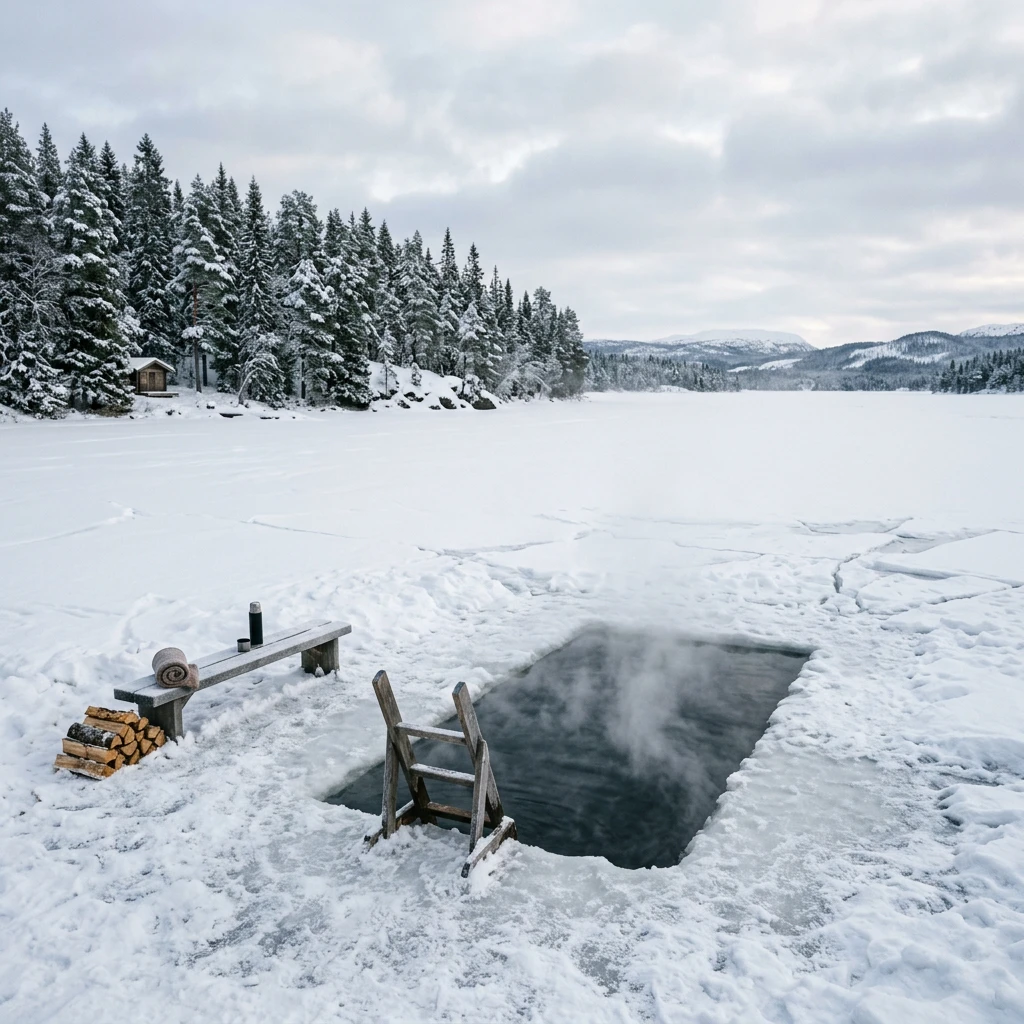
If you already use heat therapy, try alternating cold immersion with sauna sessions. This contrast therapy approach -- toggling between vasodilation and vasoconstriction -- has a long tradition in Scandinavian and Finnish cultures and is getting more research attention.
Cold Plunge Myths vs. What Research Actually Shows
Cold plunging has built up a mythology that's running well ahead of what studies can back up. Here's how the most common claims hold up against peer-reviewed research:
| Common Claim | What Research Shows | Verdict |
|---|---|---|
| "Cold plunges boost testosterone" | No studies show clinically meaningful testosterone increases from CWI | Unsupported |
| "Ice baths speed up muscle growth" | Regular post-exercise CWI blunts muscle hypertrophy and strength gains | Opposite is true |
| "Cold exposure burns significant calories" | BAT thermogenesis adds ~20 kcal/day -- equivalent to 2 minutes of jogging | Technically true, practically meaningless |
| "The Wim Hof Method improves cardiovascular function" | A controlled study found no positive changes in blood pressure, heart rate, or heart function after 15 days | Unsupported |
| "Cold plunges reduce inflammation" | CWI actually increases inflammatory markers immediately and at 1 hour; stress reduction appears at 12 hours | More complex than claimed |
| "Cold showers strengthen your immune system" | 29% fewer sick days in one large trial, but no immune markers measured; meta-analysis rated immune evidence Grade D | Inconclusive |
| "Cold plunges improve mood and reduce anxiety" | fMRI evidence of brain network changes; positive-to-negative affect ratio nearly doubled; large norepinephrine and dopamine increases | Supported |
Notice which claims have the strongest research: mood, alertness, short-term recovery. Those barely show up in your Instagram feed. Meanwhile, the stuff with the weakest backing -- immunity, fat loss, testosterone -- gets posted with the most confidence. Harvard cardiologist Dr. Prashant Rao puts it bluntly: "I'm pretty cautious about recommending cold-water therapy, especially because the reasons for doing it can be much better served with other interventions, such as exercise."
That doesn't make cold plunges useless. It just means the best reasons to try them -- the neurochemical rush, the mental clarity, the practice of voluntarily doing something uncomfortable -- tend to be the ones people talk about the least.
Who Should Skip the Cold Plunge
Cold immersion is not for everyone. The same sympathetic activation that produces neurochemical benefits also puts real strain on your cardiovascular system. Mayo Clinic researchers note that the cold shock response increases breathing rate, heart rate, and blood pressure -- a combination that can trigger cardiac events in people with existing conditions.
Talk to your doctor before trying cold immersion if you have any of the following:
- Heart rhythm disorders (atrial fibrillation, arrhythmias)
- Peripheral artery disease
- Raynaud's syndrome
- Uncontrolled high blood pressure
- History of stroke or cardiovascular events
- Diabetes with poor circulation
Older adults face additional risk. Hypothermia is a leading cause of cold-related death in elderly populations, and people vary widely in how well they rewarm. In one study of 255 healthy military conscripts, 10% had slow or impaired rewarming even after mild cold exposure.
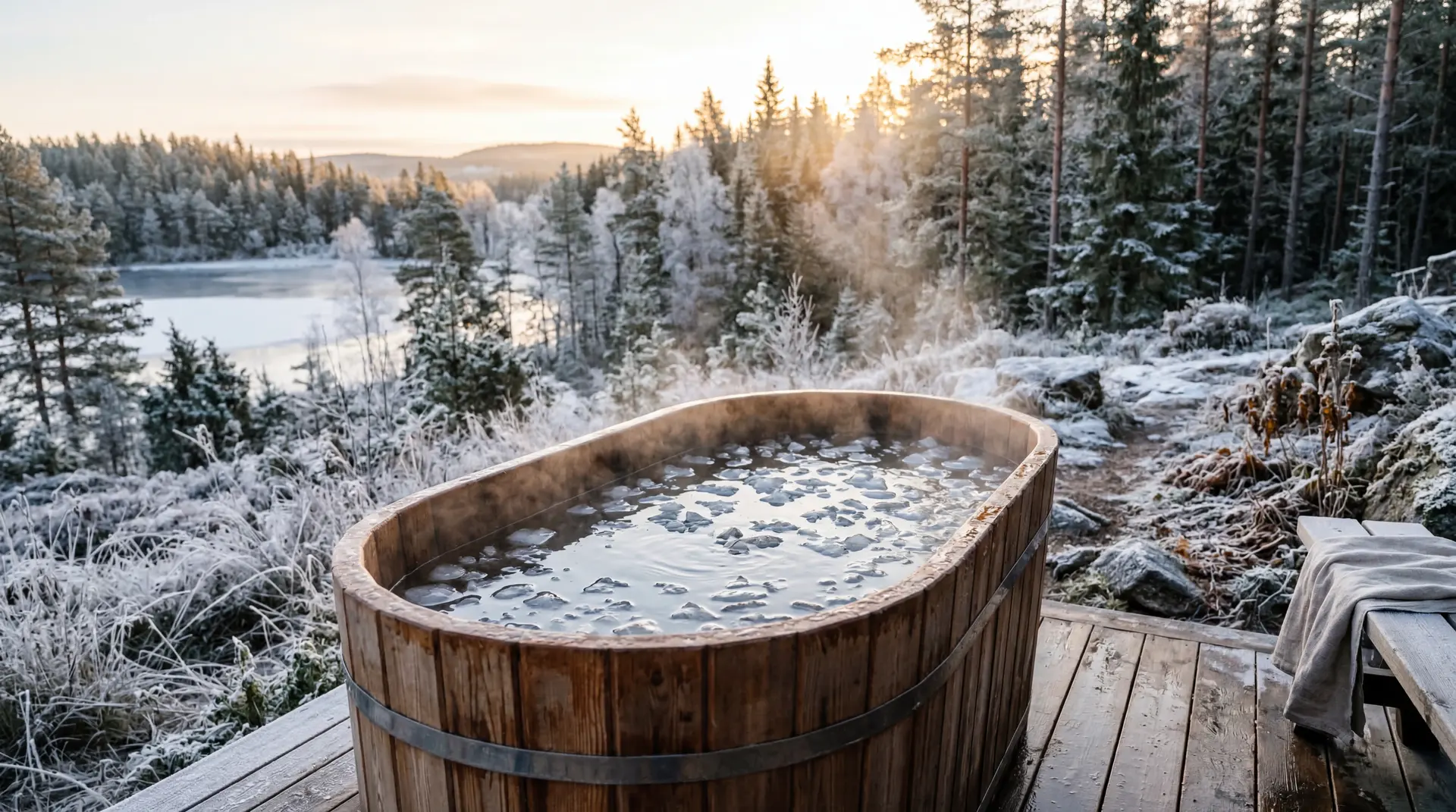
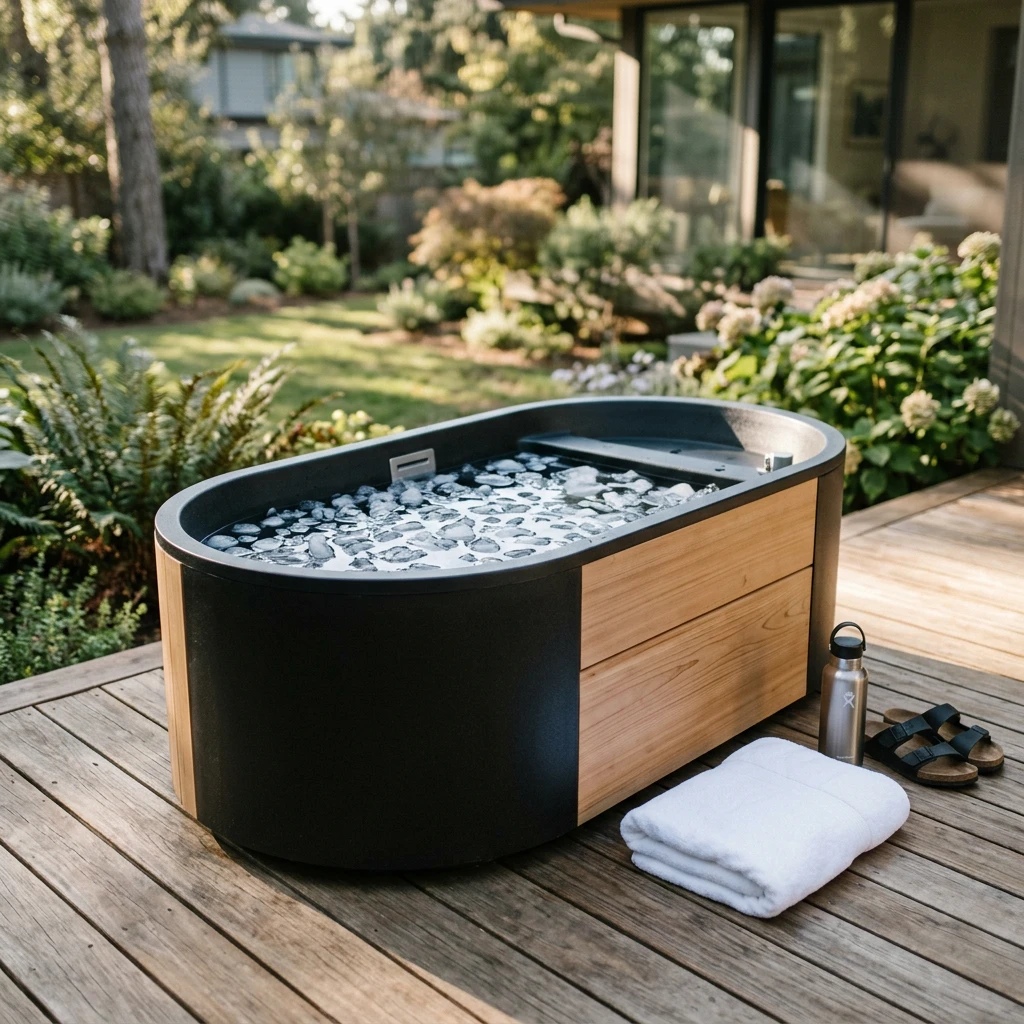
For open-water immersion specifically, the drowning risk from the gasping reflex is real. Don't plunge alone in open water. Have warm clothing and towels within arm's reach, and start in controlled environments -- a bathtub or a dedicated cold plunge tub -- before working up to outdoor swims.
Frequently Asked Questions
How cold does the water need to be for health benefits?
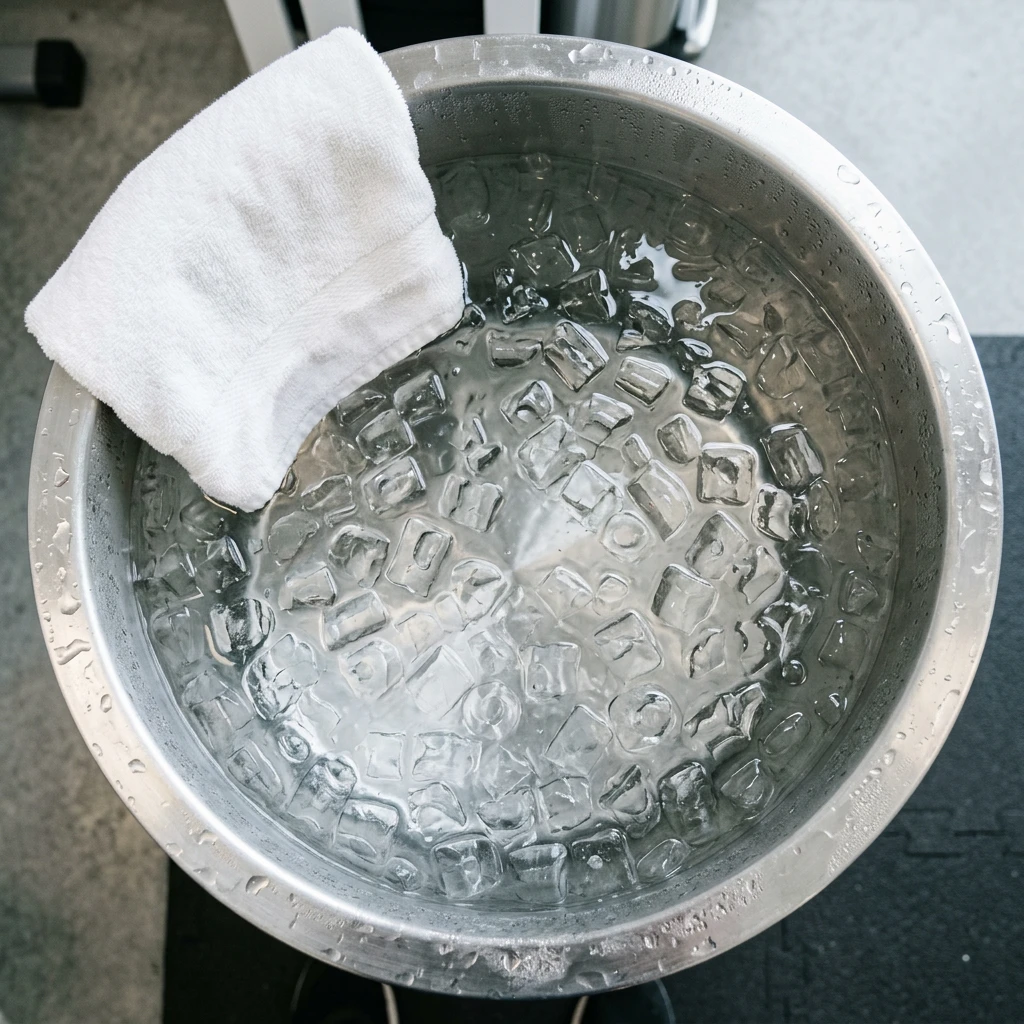
Research shows noticeable neurochemical responses start around 20°C (68°F), with the strongest norepinephrine and dopamine increases at 14°C (57°F). For exercise recovery, the best range is 10-15°C (50-59°F). You don't need near-freezing water. Cold tap water or a tub with a few bags of ice gets you into the effective range.
Can cold plunges replace exercise for mental health?
No. Cold immersion produces real mood improvements through norepinephrine and dopamine release, but exercise covers a much wider range of mental health benefits -- neuroplasticity, social connection, sustained serotonin regulation. Cold plunges can complement a workout routine but shouldn't replace one.
Is it better to take a cold plunge in the morning or evening?
Morning cold exposure fits better with your circadian cortisol rhythm and the alertness that norepinephrine release produces. Evening cold immersion could interfere with falling asleep because of the sympathetic activation, though one small study found CWI improved self-reported sleep quality after heat-intensive exercise. If sleep is your priority, finish cold exposure at least 2-3 hours before bedtime.
Should I do cold plunges after every workout?
Not if you're trying to build muscle or strength. Research consistently shows that regular post-exercise cold immersion blunts muscle adaptation. Save ice baths for competition recovery, tournament weekends, or acute injury management -- not daily training. Dr. Andrew Jagim of Mayo Clinic recommends treating them as a short-term tool, not a permanent habit.
Are cold showers as effective as full cold plunges?
Cold showers expose less body surface area and usually use warmer water than dedicated cold plunges, so the physiological response is milder. But the Dutch study that found 29% fewer sick days used only cold showers (30-90 seconds), which suggests they still produce measurable effects. Cold showers are a practical starting point and may be enough for general wellness.
Related Articles
- Sauna Bathing for Heart Health -- What 20 years of Finnish cardiovascular research reveals about heat therapy, and how it pairs with cold exposure for contrast therapy.
- Tart Cherry Juice for Sleep, Recovery, and Inflammation -- A natural recovery aid that reduces inflammation without the muscle-adaptation tradeoff that cold immersion carries.
- The Real Damage Anxiety and Burnout Do to Your Body -- How chronic stress reshapes your biology, and why short-term stressors like cold immersion work differently.
- Zone 2 Cardio for Fat Burning and Longevity -- The metabolic training approach that does what cold plunges can't for sustained fat oxidation.
- Natural Ways to Strengthen Your Immune System During Winter -- Evidence-based strategies for immune health, including where cold exposure fits in the bigger picture.
Medical Disclaimer
This article is for informational and educational purposes only and is not medical advice, diagnosis, or treatment. Always consult a licensed physician or qualified healthcare professional regarding any medical concerns. Never ignore professional medical advice or delay seeking care because of something you read on this site. If you think you have a medical emergency, call 911 immediately.